
Overview
Wig maintenance is crucial for comfort and a natural look, with elastic band adjustments being a key aspect. This guide covers the importance of properly adjusting elastic bands, types of bands available, step-by-step adjustment instructions, common mistakes to avoid, and tips for enhancing your custom wig making skills. Proper care also extends the lifespan of your wig.
Table of Contents
- Why Adjusting Elastic Bands Is Crucial
- Choosing Your Elastic Band
- Steps to Adjust Elastic Bands on Your Wig
- Step 1: Prepare Your Wig
- Step 2: Identify the Adjustment Points
- Step 3: Adjust the Bands
- Step 4: Fit On Your Wig
- Step 5: Final Touches
- Common Mistakes to Avoid
- When to Replace Elastic Bands
- Enhancing Your Custom Wig Making Skills
- The Role of Proper Wig Care
- Providing the Best Wig Experience
- Key Takeaways for Your Wig Journey
Key Takeaways
- Adjust Elastic Bands Regularly: Ensure your wig fits comfortably by frequently checking and adjusting the elastic bands.
- Choose the Right Band Type: Understand the different types of elastic bands (standard, adjustable, Velcro) to select the best fit for your needs.
- Follow Adjustment Steps: Use a mirror to adjust the bands properly, ensuring the wig sits naturally around your hairline.
- Avoid Common Mistakes: Be cautious of over-tightening and ensure the wig aligns with your natural hairline.
- Replace Worn Bands: Look for signs of wear like stretching or fraying to know when to replace your elastic bands.
- Maintain Your Wig: Regular washing and proper storage are essential for extending the lifespan of your wig.
- Practice Custom Wig Making: Engage in regular practice and seek tutorials to enhance your skills in adjusting and styling wigs.
Wigs can be a fantastic addition to your beauty routine, providing versatility and convenience for every occasion. One crucial aspect of wig maintenance that often goes overlooked is the adjustment of the elastic bands that secure your wig in place. Properly adjusting your elastic bands is essential for not just comfort but also for achieving a seamless, natural look. In this article, we'll delve into everything you need to know about adjusting the elastic bands on your wig, ensuring you enjoy your custom wig making experience to the fullest!
Why Adjusting Elastic Bands Is Crucial
Elastic bands are an integral part of most wigs, keeping them snug and securely in place. Here are a few reasons why you should pay attention to this often-neglected aspect of wig care:
- Comfort: An improperly fitted wig can cause discomfort or even headaches. Adjusting the elastic bands ensures a perfect fit.
- Natural Appearance: A well-fitted wig looks more realistic. Adjusted bands allow your wig to sit naturally on your head.
- Enhanced Durability: Proper adjustments can help reduce wear and tear on your wig, prolonging its life.
Choosing Your Elastic Band
Before diving into the adjustment process, it's important to understand that not all wigs come with the same type of elastic bands. Typically, you may encounter:
| Type of Elastic Band | Characteristics | Best For |
|---|---|---|
| Standard Bands | Basic elastic, provides snug fit. | Daily wear, short-term use. |
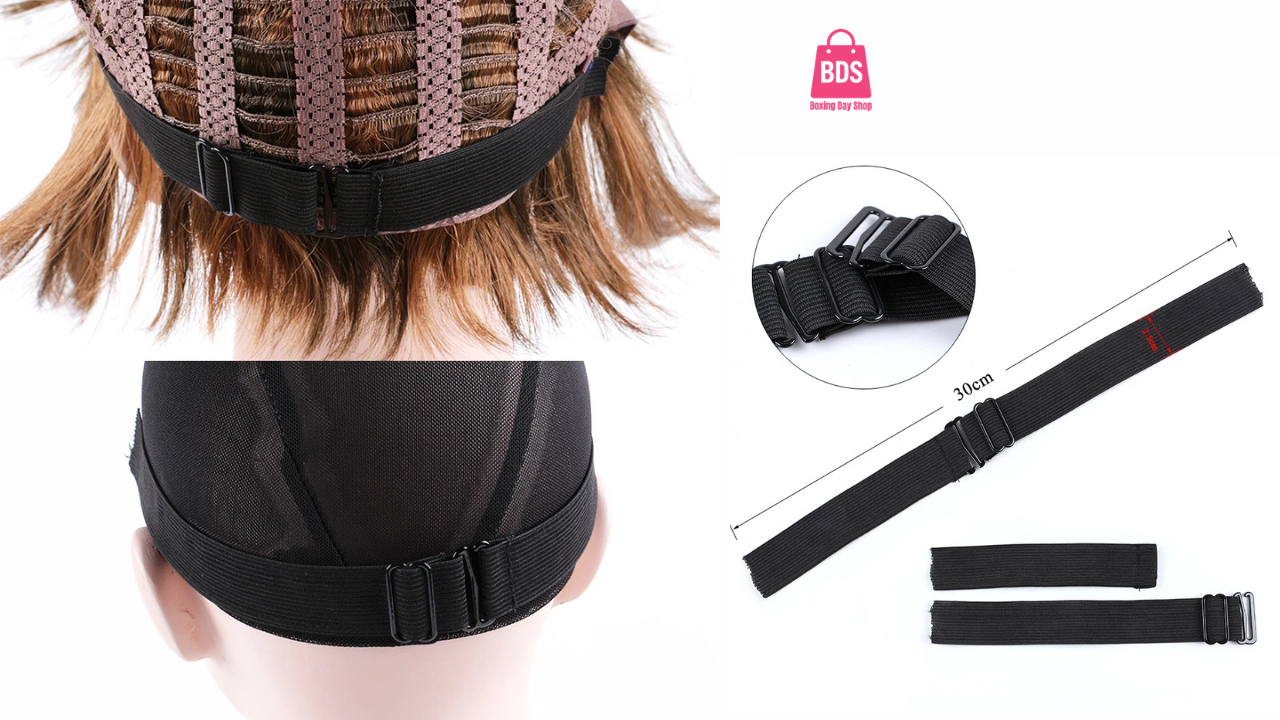
| Adjustable Bands | Frequently with hooks, allowing custom sizing. | All-day comfort, different hairstyles. |
| Velcro Bands | Easy to secure and adjust. | Quick adjustments, beginners. |
Steps to Adjust Elastic Bands on Your Wig
Now that we've covered the importance and types of elastic bands, let’s go through the steps to adjust them effectively:
Step 1: Prepare Your Wig
Start by placing your wig on a wig stand or a clean, flat surface. This will allow you to see the full structure of the wig while giving you the space to manipulate the elastic bands without interference.
Step 2: Identify the Adjustment Points
Most wigs have adjustable straps or hooks located at the nape of the neck. Check where the elastic bands are secured to your wig. You will typically find them either sewn into the wig cap or attached via Velcro.
Step 3: Adjust the Bands
If your wig has adjustable bands:
- For straps: Gently pull the strap to tighten it or unhook it to loosen. Make adjustments as needed based on your head size.
- For Velcro: Simply press the adjustable part further onto the band for a tighter fit, or pull it apart to loosen.
Step 4: Fit On Your Wig
After you’ve adjusted the elastic bands, put the wig on your head while looking in a mirror. Make sure it feels comfortable and sits well around your hairline. Adjust again if necessary.
Step 5: Final Touches
Once the wig is on correctly, do some final styling. Brush it gently to ensure the hair strands are neat and adjust any elements that might need fixing. This is also a great time to consider your hair options if you're engaging in custom wig making, as the right band fit allows more styling freedom.
Common Mistakes to Avoid
While adjusting your wig, it’s easy to make a few common mistakes. Here are some pitfalls to watch out for:
- Over-tightening: Pulling the bands too tight can lead to discomfort and may cause premature wear.
- Ignoring the Hairline: Ensure the front of the wig aligns with your natural hairline for a more seamless look.
- Skipping Adjustments: Adjusting for different hairstyles is crucial. For example, updos may require a tighter fit.
When to Replace Elastic Bands
Elastic bands can wear out over time. Be on the lookout for these signs that indicate it may be time to replace them:
- Visible stretching or sagging of the bands
- Difficulty securing the wig to your head
- Fraying or breaking of the elastic material
Enhancing Your Custom Wig Making Skills
Whether you're new to the wig game or a seasoned pro, understanding how to adjust elastic bands will significantly enhance your custom wig making process. Consider the following tips to improve your skills:
- Practice Regularly: Familiarize yourself with various band adjustments on different wigs. The practice makes perfect!
- Learn from Tutorials: There are plenty of tutorials available online that can provide visual guidance.
- Get Creative: Don’t be afraid to play around with styles and different fits until you find what works best for you.
The Role of Proper Wig Care
In addition to adjusting elastic bands, proper wig care plays an essential role in extending the lifespan and maintaining the look of your wigs. Here are some important care tips you should consider:
- Washing: Regularly washing your wig is crucial to keep it looking fresh and new. Follow the care instructions specific to your wig type.
- Storage: Store your wigs on a stand or in a breathable bag to maintain their shape and prevent tangling.
- Styling: Use heat protectant products if you're styling with heat tools to avoid damaging the wig fibers.
Providing the Best Wig Experience
By adjusting the elastic bands correctly, caring for your wig, and engaging in custom wig making, you can ensure a fantastic wig-wearing experience. Also, remember that wigs are not just simply accessories; they can transform your look and give you a confidence boost!
Key Takeaways for Your Wig Journey
To help you remember the key points when it comes to adjusting elastic bands, here’s a summary:
- Check the elasticity and adjust as needed frequently.
- Fit the wig properly to ensure comfort and a natural look.
- Keep your wig clean and well-maintained.
With the right adjustments and care, your wig can be a reliable part of your beauty collection! Remember, the more you practice and engage with custom wig making, the more comfortable and confident you will become in styling your wigs.
Are you ready to elevate your wig game? Explore our wide range of active collections at Boxing Day Shop and enjoy fast shipping across the USA today!
--- Boxing Day Shop Your One-Stop Marketplace for Trending Products.Frequently Asked Questions
1. Why is it important to adjust the elastic bands on my wig?
2. What are the different types of elastic bands for wigs?
3. What are the steps to adjust the elastic bands on my wig?
4. How can I tell when it's time to replace my wig's elastic bands?
5. What are some tips for enhancing my custom wig making skills?
Glossary
| Term | Meaning |
|---|---|
| Wig | A head covering made of synthetic or human hair. |
| Elastic Bands | Straps that secure the wig to the head for a snug fit. |
| Adjustable Bands | Bands with hooks for customizing the fit. |
| Velcro Bands | Easy-to-secure bands that allow quick adjustments. |
| Wig Stand | A support used to hold wigs while styling or adjusting. |
| Fraying | Wear and tear causing the elastic material to break down. |
| Custom Wig Making | The process of creating a wig tailored to individual preferences. |
| Heat Protectant | Products used to protect wig fibers when styling with heat. |
| Natural Look | A realistic appearance that mimics natural hair. |
Linked Product

Adjustable Wig Elastic Band
The Adjustable Wig Elastic Band is designed to enhance the fit and stability of wigs, making it an essential tool for custom wig making and repairs. Its high-elastic material offers a secure and comfortable hold, while the adjustable design allows for personalized sizing. Available in two widths, this band is ideal for both DIY projects and wig cap construction.
View Product