
Overview
Wigs, especially lace wig caps, can become loose due to improper measurements, hair weight, environmental factors, natural wear and tear, and inadequate securing methods. To maintain a secure fit, always measure your head, use appropriate wig adhesives, adjust straps and combs, perform regular maintenance, and consider lighter wigs. Proper care and maintenance are essential for prolonging the lifespan and fit of your wig.
Table of Contents
- Understanding the Fit of Wigs
- Common Reasons Why Wigs Become Loose
- 1. Improper Measurement
- 2. Weight of the Hair
- 3. Environmental Factors
- 4. Natural Wear and Tear
- 5. Lack of Proper Securing Methods
- How to Prevent Wigs from Becoming Loose
- Materials That Affect Wig Fit
- The Importance of Care and Maintenance
- Final Tips for a Snug Fit
Key Takeaways
- Measure Accurately: Always measure your head before purchasing a wig to ensure a proper fit.
- Consider Hair Weight: Heavier wigs may shift more, so opt for lighter options for better stability.
- Environmental Impact: Humidity and sweat can loosen wig adhesives, affecting fit; consider your environment when wearing wigs.
- Regular Maintenance: Proper washing and storage can prolong the lifespan and fit of your wig.
- Utilize Securing Methods: Use wig bands, straps, or adhesives effectively to keep your lace wig cap secure.
- Choose the Right Materials: Understand how different wig materials affect fit; human hair offers more adjustability than synthetic options.
- Seek Professional Help: Consult beauty salons specializing in wigs for custom adjustments to achieve the best fit.
Wigs have become a popular choice for many, whether for fashion, convenience, or medical reasons. One of the common issues that wearers face is that their wigs, especially lace wig caps, can become loose over time. Understanding the reasons behind this can help you maintain a secure fit and enhance your overall experience with wigs. In this blog, we will explore the factors that contribute to loose wigs and provide practical tips to ensure your lace wig cap fits perfectly every time.
Understanding the Fit of Wigs
Before delving into why wigs can become loose, it’s essential to understand how they are designed to fit. Wigs are typically made with adjustable straps, combs, and sometimes even clips to help secure them in place. However, various factors can lead to a less-than-perfect fit, including:
- The construction of the lace wig cap
- The type of wig
- Environmental factors
- Natural wear and tear
Common Reasons Why Wigs Become Loose
1. Improper Measurement
One of the primary reasons wigs become loose is improper measurement. Choosing the wrong size wig can lead to discomfort and instability. Always measure your head accurately—measure around the entirety of your head (from your hairline, over your ears, to the nape of your neck) to find the best fit.
2. Weight of the Hair
The density and length of the hair can affect how secure the wig feels. Heavier wigs might pull against the lace wig cap, causing them to shift. Lighter wigs often have a more secure fit as they distribute weight evenly.
3. Environmental Factors
Your environment plays a significant role in how your wig behaves. Factors like humidity, sweat, and temperature can affect the adhesive quality of wig adhesives and the fabric of the lace wig cap. For instance, during hot weather, sweat can loosen adhesives, making your wig feel less secure.
4. Natural Wear and Tear
As with any clothing or accessory, wigs experience wear and tear. Combing, styling, and even storing your wig improperly can lead to a looser fit over time. Regular maintenance is critical in prolonging the lifespan and fit of your wig.
5. Lack of Proper Securing Methods
Using an appropriate securing method is crucial to ensuring your wig remains in place. Depending on your lace wig cap type, you might use wig bands, straps, glue, or adhesive tapes. Not using these methods effectively can contribute to a wig that won't fit snugly.
How to Prevent Wigs from Becoming Loose
Here are some practical tips to keep your wigs fitting securely:
- Choose the Right Size: Always measure your head before purchasing a wig to avoid size issues.
- Use Wig Adhesives: Consider using specialized wig adhesives or tapes to keep your lace wig cap securely in place.
- Adjust Straps and Combs: Take advantage of adjustable straps and built-in combs to customize your fit.
- Maintain Your Wig: Regular maintenance, including washing and storing properly, can prolong its lifespan and help maintain a good fit.
- Choose Lighter Options: If your wig is particularly heavy, consider lighter options for better support and stability.
Materials That Affect Wig Fit
The materials used in wig construction can affect how the wig fits. Here’s a breakdown of how different materials play a role:
| Wig Material | Fit Characteristics | Best For |
|---|---|---|
| Synthetic Fiber | Generally less adjustable; can be stiffer | Everyday wear, budget-friendly options |
| Human Hair | Moldable and adjustable but can loosen over time | High-end looks, styling versatility |
| Lace Wig Cap | Offers a natural appearance and customizable fit | Realistic looks, breathable wear |
The Importance of Care and Maintenance
Taking proper care of your wigs is crucial for maintaining their fit and appearance. Here are a few tips:
- Regular Washing: Keep your wigs clean by washing them according to the manufacturer's recommendations, using products designed specifically for wig care.
- Storing Properly: Store your wig on a wig stand to help maintain its shape and prevent loosening.
- Avoid Heat Damage: Be cautious with heat styling tools. Overuse can damage fibers and lead to a loss in structure.
Final Tips for a Snug Fit
For achieving the ultimate fit with your lace wig cap, consider these final insights:
- When you first receive your wig, try it on without any alteration to understand its natural fit.
- Experiment with different secure methods; sometimes, a combination can provide the best results.
- Don’t hesitate to seek help from professionals at beauty salons specializing in wigs for custom adjustments.
- Stay updated on the latest trends in lace wig caps, as innovations in the market can provide solutions for better fitting.
Understanding why wigs can become loose and applying effective methods to secure them will enhance your wig-wearing experience. Enjoy your style and let it offer you the confidence you deserve!
--- Boxing Day Shop Your One-Stop Marketplace for Trending Products.Frequently Asked Questions
1. Why do wigs become loose over time?
2. How can I ensure my wig fits properly?
3. What factors affect the fit of a lace wig cap?
4. What are some maintenance tips for wigs?
5. What materials are best for wig fit?
Glossary
| Term | Meaning |
|---|---|
| Lace Wig Cap | A type of wig cap made from lace, offering a natural look. |
| Wig Adhesives | Specialized products used to secure wigs in place. |
| Adjustable Straps | Straps on wigs that can be modified for a better fit. |
| Natural Wear and Tear | Gradual damage from regular use, affecting fit and appearance. |
| Humidity | Moisture in the air that can impact wig adhesive effectiveness. |
| Synthetic Fiber | Man-made material used in wigs, generally less adjustable. |
| Human Hair | Natural hair used in wigs, offering styling versatility. |
| Wig Stand | A support for storing wigs to maintain their shape. |
| Heat Damage | Damage caused by excessive heat styling, affecting wig structure. |
| Maintenance | Regular care practices to prolong the lifespan of wigs. |
Linked Product

Lace Wig Cap with Velvet Grip
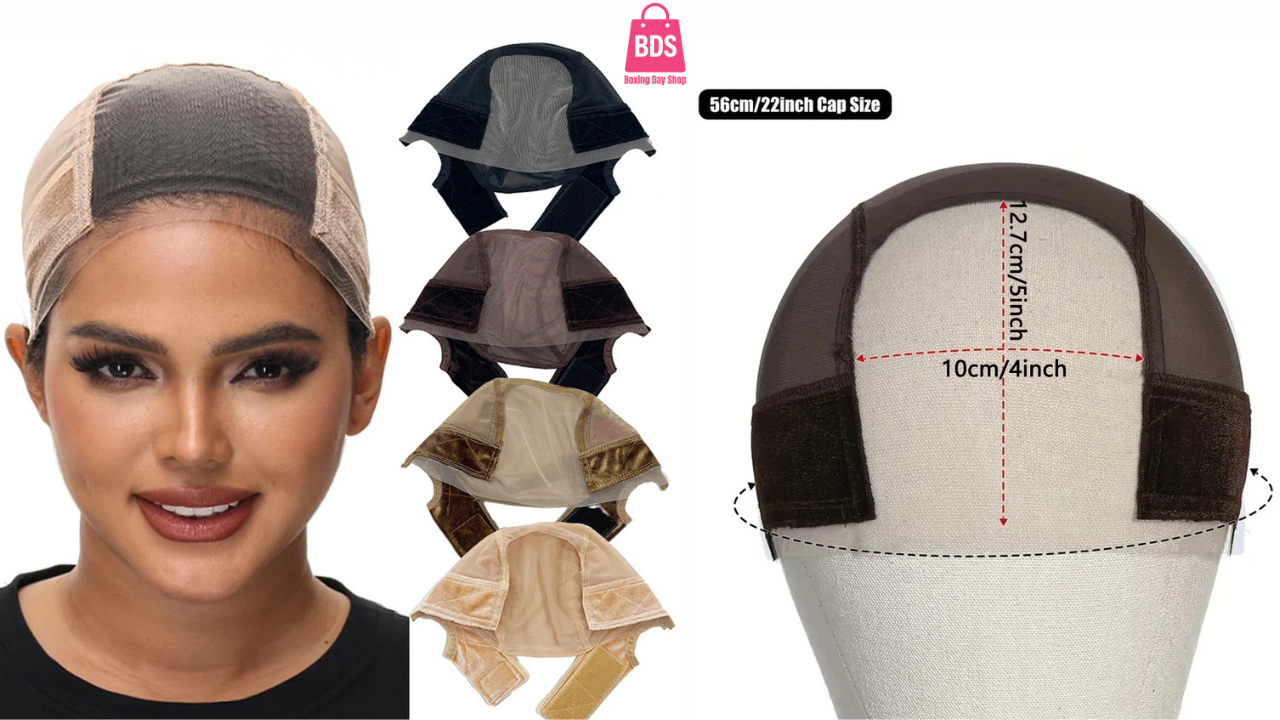
The Lace Wig Cap with Velvet Grip is designed to provide a secure fit and comfortable wear for wig enthusiasts. Its adjustable velvet grip band helps prevent slipping, while the lace design and U-part construction create a natural-looking foundation, making it ideal for both wig making and daily use. Additionally, the breathable material ensures all-day comfort, and the nude hair net seamlessly blends under wigs for a polished appearance.
View Product