
Descripción general
Las pelucas son populares, pero pueden aflojarse, causando incomodidad y vergüenza. Este artículo ofrece consejos para identificar y arreglar pelucas sueltas, incluyendo el uso de bandas para pelucas, correas ajustables y la búsqueda de ayuda profesional para problemas graves. El cuidado y mantenimiento adecuados son esenciales para mantener las pelucas en buen estado y asegurar que realcen tu apariencia.
Tabla de Contenidos
- Comprendiendo la Construcción de la Peluca
- Elementos Clave de Construcción
- Identificación de una Peluca Suelta
- Soluciones Rápidas para una Peluca Suelta
- Utiliza Bandas para Pelucas
- Productos de Peinado
- Correas Ajustables
- Cuándo Buscar Ayuda Profesional
- Encaje o Gorro Dañado
- Problemas de Talla Incorrecta
- Desafíos de Estilismo
- Mantenimiento y Cuidado
- DIY vs. Profesional: Tomando la Decisión Correcta
- Esenciales para el Cuidado de la Peluca
- Adelántate con un Mantenimiento Adecuado
Puntos Clave
- Entiende la Construcción de la Peluca: Familiarízate con los diferentes tipos de pelucas, como las pelucas con encaje frontal, y sus componentes como las bases de encaje y las bandas elásticas.
- Identifica los Signos de una Peluca Suelta: Busca indicadores como el movimiento de la peluca, huecos en la línea del cabello e incomodidad al usarla.
- Soluciones Rápidas: Utiliza bandas para pelucas, correas ajustables y productos de peinado ligeros para asegurar tu peluca de manera efectiva.
- Cuándo Buscar Ayuda Profesional: Consulta a un estilista si el encaje está dañado, el tamaño es incorrecto o si hay desafíos de estilismo que las soluciones caseras no pueden resolver.
- Mantenimiento Adecuado: Limpia y guarda tu peluca regularmente para prolongar su vida útil y mantener su apariencia.
- DIY vs. Profesional: Evalúa el costo y la efectividad de las soluciones caseras frente a la ayuda profesional para problemas complejos de pelucas.
- Comprométete con el Cuidado: Invierte en accesorios y rutinas de calidad para prevenir futuros problemas con las pelucas y mejorar tu experiencia general.
Las pelucas se han convertido en un accesorio básico para muchas personas, ya sea para el uso diario, fiestas de disfraces o simplemente para cambiar de peinado. Sin embargo, las pelucas sueltas pueden ser una fuente de frustración y vergüenza. Aprender a manejar eficazmente una peluca suelta, incluyendo cuándo buscar ayuda profesional, es esencial para mantener tu apariencia y confianza. Este artículo te guiará a través de los problemas comunes con las pelucas sueltas, posibles soluciones y cuándo es el momento de buscar la experiencia de un profesional.
Comprendiendo la Construcción de la Peluca
Antes de sumergirnos en las soluciones para una peluca suelta, es vital comprender cómo se construyen las pelucas. Las pelucas pueden estar hechas de fibras sintéticas o cabello humano, cada una con sus características únicas. Las pelucas con encaje frontal, que tienen una base de encaje transparente en la parte delantera, son especialmente populares ya que proporcionan una apariencia de línea de cabello natural. Sin embargo, a veces pueden aflojarse debido a varios factores, incluyendo el uso, el ajuste inadecuado o el estiramiento natural con el tiempo.
Elementos Clave de Construcción
- Base de Encaje: Esto es lo que hace que las pelucas con encaje frontal se vean naturales, pero también es propenso a problemas si no se asegura bien.
- Bandas Elásticas: Muchas pelucas vienen equipadas con bandas elásticas para ayudar a asegurarlas en su lugar, aunque pueden desgastarse.
- Tamaño de la Gorra: Asegurar el tamaño correcto de la gorra es crucial para el ajuste general de tu peluca.
Identificación de una Peluca Suelta
Una peluca suelta puede provocar incomodidad, movimiento al usarla e incluso deslizarse durante las actividades diarias. Aquí tienes algunas señales de que tu peluca podría estar demasiado suelta:
- La peluca se mueve o se desplaza cuando asientes o giras la cabeza.
- Notas espacios entre tu cuero cabelludo y la peluca, especialmente en la línea del cabello frontal.
- Las bandas elásticas se sienten estiradas o ya no proporcionan suficiente soporte.
- Sientes incomodidad o puntos de presión al usar la peluca.
Soluciones Rápidas para una Peluca Suelta
Dependiendo de la situación, hay varias soluciones rápidas que puedes probar en casa para asegurar tu peluca de manera más efectiva:
Utiliza Bandas para Pelucas
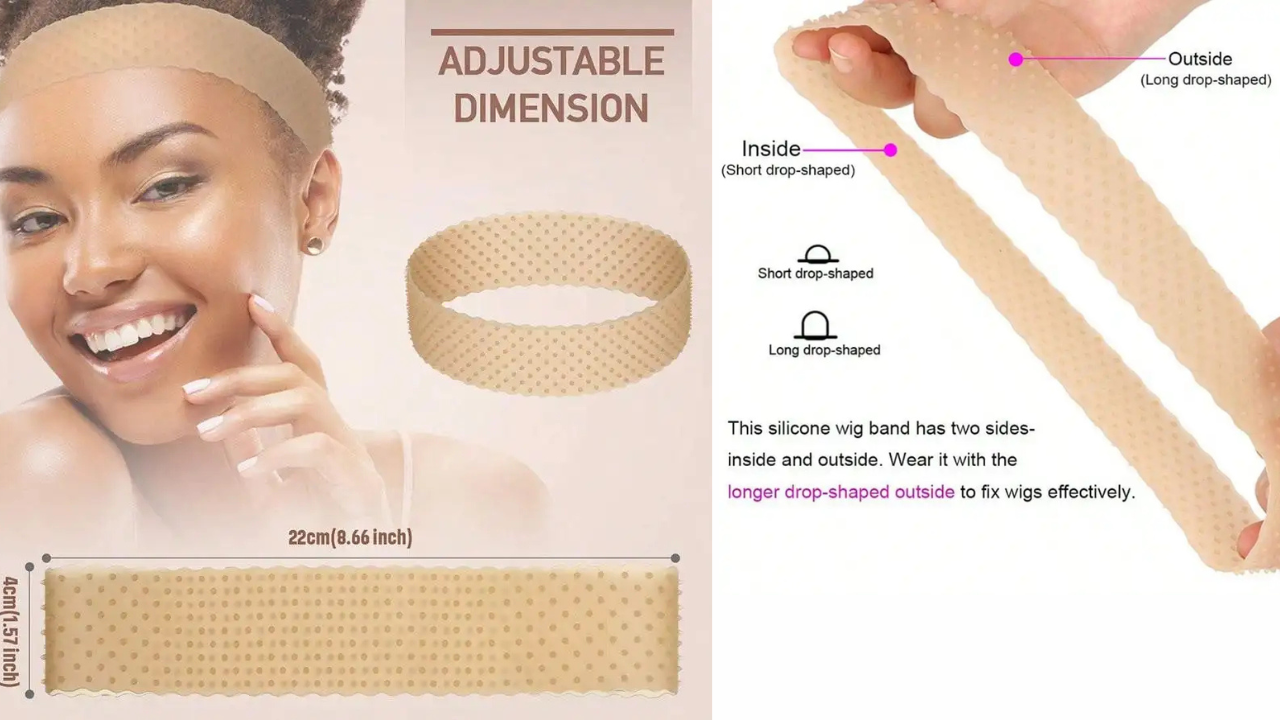
Una de las soluciones más efectivas es usar una banda para pelucas con encaje frontal. Estas bandas proporcionan seguridad adicional alrededor de tu cabeza, asegurando que la peluca permanezca en su lugar durante todo el día. Son cómodas, ajustables y se pueden ocultar discretamente debajo de la peluca.
Productos de Peinado
Algunas personas encuentran que el uso de productos de peinado ligeros puede ayudar. Laca para el cabello o pegamento para pelucas diseñado específicamente para pelucas con encaje frontal pueden proporcionar una sujeción extra, asegurando que tu peluca permanezca en su lugar.
Correas Ajustables
Si tu peluca viene con correas ajustables, ¡aprovéchalas! Apretar estas correas puede ayudar a proporcionar un ajuste más ceñido.
Cuándo Buscar Ayuda Profesional
Si bien las soluciones anteriores pueden ayudar en muchos casos, hay momentos en que buscar ayuda profesional es la mejor opción. Aquí tienes algunos escenarios en los que la asistencia profesional puede ser necesaria:
Encaje o Gorro Dañado
Si el encaje o la gorra de tu peluca se han dañado, es posible que no se puedan salvar con arreglos caseros. Un estilista de pelucas profesional puede reparar pelucas con encaje frontal para restaurar su aspecto y funcionalidad originales.
Problemas de Talla Incorrecta
A veces, una peluca simplemente no encaja correctamente debido al tamaño o la forma. Un profesional puede evaluar la forma de tu cabeza y recomendar alteraciones o un estilo de peluca diferente que se ajuste mejor.
Desafíos de Estilismo
Si no estás segura de cómo estilizar tu peluca de forma segura, un profesional puede ofrecerte consejos y técnicas expertas para mantener tu peluca fabulosa. También pueden sugerir la banda para pelucas con encaje frontal adecuada u otros accesorios que puedan mejorar tu experiencia.
Mantenimiento y Cuidado
Finalmente, los profesionales pueden ayudarte a mantener y cuidar tu peluca, asegurando que dure más y se vea genial. La limpieza regular, el acondicionamiento y los consejos de estilismo de los profesionales pueden prevenir problemas en el futuro.
DIY vs. Profesional: Tomando la Decisión Correcta
Cuando se trata del cuidado de las pelucas, especialmente para una peluca suelta, es importante sopesar tus opciones entre los arreglos caseros y la asistencia profesional. Aquí tienes una tabla comparativa útil a considerar:
| Factor | Arreglos DIY | Ayuda Profesional |
|---|---|---|
| Costo | Generalmente bajo; principalmente compra de accesorios | Puede ser más alto; varía según los servicios |
| Tiempo | Soluciones inmediatas, puede requerir prueba y error | Puede llevar tiempo programar y completar |
| Experiencia | Requiere algunos conocimientos y práctica | Asesoramiento experto adaptado a tus necesidades |
| Efectividad | Puede ser eficaz para problemas menores | Mejor para problemas complejos y reparaciones |
Esenciales para el Cuidado de la Peluca
El cuidado adecuado de la peluca es crucial para prolongar la vida útil de tus pelucas y asegurar que siempre se vean lo mejor posible. Aquí tienes algunos consejos esenciales para el cuidado:
- Limpia tu peluca regularmente: Sigue las instrucciones del fabricante para la limpieza. Esto asegura que las fibras se mantengan en excelentes condiciones.
- Guárdala correctamente: Cuando no la uses, guarda tu peluca en un soporte para pelucas o en una caja para mantener su forma y evitar que se enrede.
- Minimiza la exposición al calor: El calor directo puede dañar las pelucas, especialmente las sintéticas. Usa ajustes de calor bajos para peinar.
- Aplica productos con moderación: Utiliza solo productos diseñados específicamente para pelucas para evitar dañar las fibras.
Adelántate con un Mantenimiento Adecuado
El compromiso con el mantenimiento y cuidado adecuados de tu peluca puede ayudar a prevenir problemas en el futuro. Al incorporar accesorios de calidad, como la banda para pelucas con encaje frontal, rutinas de limpieza adecuadas y consultas profesionales, puedes extender la vida útil y la calidad de tus queridas pelucas.
En un mundo donde las pelucas pueden cambiar tu apariencia y aumentar tu confianza, saber cómo manejarlas correctamente, especialmente cuando surgen problemas, es invaluable. Una peluca suelta no tiene por qué significar un desastre; toma el control con consejos prácticos y busca ayuda profesional cuando sea necesario.
Recuerda, ya sea para ocasiones especiales o para el uso diario, tu peluca refleja tu personalidad. ¡Mantenla bien y disfruta de la versatilidad y libertad que te ofrece!
--- Boxing Day Shop Tu Mercado Único para Productos de Moda.
Preguntas Frecuentes
1. ¿Cuáles son las señales comunes de una peluca suelta?
2. ¿Cuáles son algunas soluciones rápidas para una peluca suelta?
3. ¿Cuándo debo buscar ayuda profesional para mi peluca?
4. ¿Cómo puedo cuidar mi peluca correctamente?
5. ¿Cuál es la diferencia entre los arreglos DIY y la ayuda profesional para los problemas de pelucas?
Glosario
| Término | Significado |
|---|---|
| Peluca | Una cobertura artificial para la cabeza hecha de fibras sintéticas o cabello humano. |
| Peluca de encaje frontal | Una peluca con una base de encaje transparente en la parte delantera para una apariencia natural de la línea del cabello. |
| Peluca suelta | Una peluca que no se ajusta de forma segura, lo que provoca incomodidad o movimiento. |
| Banda para peluca | Un accesorio utilizado para asegurar una peluca en su lugar, proporcionando soporte adicional. |
| Bandas elásticas | Bandas incorporadas en las pelucas que ayudan a mantenerlas seguras, pero pueden desgastarse con el tiempo. |
| Tamaño de la gorra | La medida de la base de la peluca, crucial para lograr un ajuste adecuado. |
| Productos de estilizado | Productos como laca para el cabello o pegamento para pelucas que se utilizan para ayudar a mantener la peluca en su lugar. |
| Ayuda profesional | Asistencia de un estilista de pelucas para reparaciones, ajustes o consejos de estilo. |
| Mantenimiento | Prácticas de cuidado regular para prolongar la vida útil y la apariencia de una peluca. |
| Soluciones caseras | Remedios caseros y ajustes realizados para solucionar problemas de pelucas sin ayuda profesional. |
Producto relacionado

Banda de agarre de silicona para pelucas
La banda de agarre de silicona para pelucas ofrece un diseño antideslizante que mantiene tu peluca firmemente en su lugar sin necesidad de pegamento ni clips. Su material suave y cómodo garantiza un uso durante todo el día, lo que la hace ideal para el uso diario de pelucas. Disponible en transparente, negro y marrón, puede combinar fácilmente con tu estilo personal.
Ver producto